
7 AV Rental Tips for Events at MGM Grand Detroit
Securing a high-quality AV rental MGM Grand Detroit relies on more than just picking gear from a list; it requires a deep understanding of how a luxury casino environment affects signal flow and setup times. A grand ballroom gala and a focused corporate breakout session each demand specific technical configurations to ensure the message reaches every corner of the room. Poorly planned audio-visual elements can lead to feedback loops or dim projections that distract from the speaker’s intent.
The most successful events at this venue hinge on meticulous planning and proactive collaboration with expert partners to navigate specific room requirements. By coordinating early with technical specialists, organizers avoid last-minute hardware conflicts and ensure the equipment matches the physical layout of the space.
This guide provides a clear roadmap for managing a professional production, covering several essential areas for success:
The necessity of early booking and technical site surveys.
Methods for matching equipment to the specific room dimensions of the venue.
Strategies for managing logistics, on-site support, and budget transparency.
Effective communication habits between the event planner and the technical team.
Navigating the internal power grids and loading dock schedules of a major Detroit landmark is often the difference between a seamless presentation and a technical delay. On Site Specialists brings years of direct experience to these halls, helping people identify potential hurdles before the first cable is even laid. Following these seven tips allows the reader to focus on their guests while the technology runs quietly in the background.
Tip 1: Begin Planning Your AV Rental MGM Grand Detroit Needs Early
Waiting until the last minute to book equipment often results in settling for leftovers rather than securing the ideal tools for a high-stakes presentation. Proactive AV planning at MGM Grand Detroit drastically reduces stress and costs while expanding equipment options for event organizers. For major events, a lead time of 6-12 months is the industry standard to ensure that every specific hardware requirement is met without compromise.
Early engagement with a provider like On Site Specialists allows for a comprehensive initial consultation where the technical vision is established before the venue’s calendar fills up. This timeline is particularly vital when specialized technology is required to make an impact. For instance, a planner aiming to secure a high-demand LED wall for a key October 2027 conference should ideally finalize that booking by January 2027 to prevent the gear from being diverted to another ballroom or city-wide convention.
Securing preferred equipment and personnel early also serves as a hedge against the rush charges and premium fees that typically plague late-stage additions. I have seen many budgets balloon unnecessarily because a client requested a specific projector or wireless microphone system only weeks before the doors opened. When hardware is reserved months in advance, it guarantees availability at standard rates and allows the team to dedicate the best-qualified operators to the project.
Starting the process early provides the breathing room necessary to move beyond simple equipment lists and into the realm of strategic design. This preparation phase identifies potential technical gaps that a generic order form would miss, such as specific cable lengths or signal boosters needed for the venue’s layout. A well-documented plan created during these initial months serves as the blueprint for the physical walkthroughs that define the next stage of technical readiness.
Call On Site Specialists at (248) 585-4677 or email sales@ossdetroit.com to discuss your event date, equipment needs, and planning timeline.
Tip 2: Conduct a Thorough Site Visit at MGM Grand Detroit
Walking the actual floor of the event space transforms abstract floor plans into a functional reality for the production team. Conducting a site visit allows organizers to identify physical constraints and infrastructure opportunities that generic digital maps often overlook. This hands-on assessment ensures that the selected AV Rental MGM Grand Detroit package is customized to the room’s specific geometry rather than a one-size-fits-all guess.
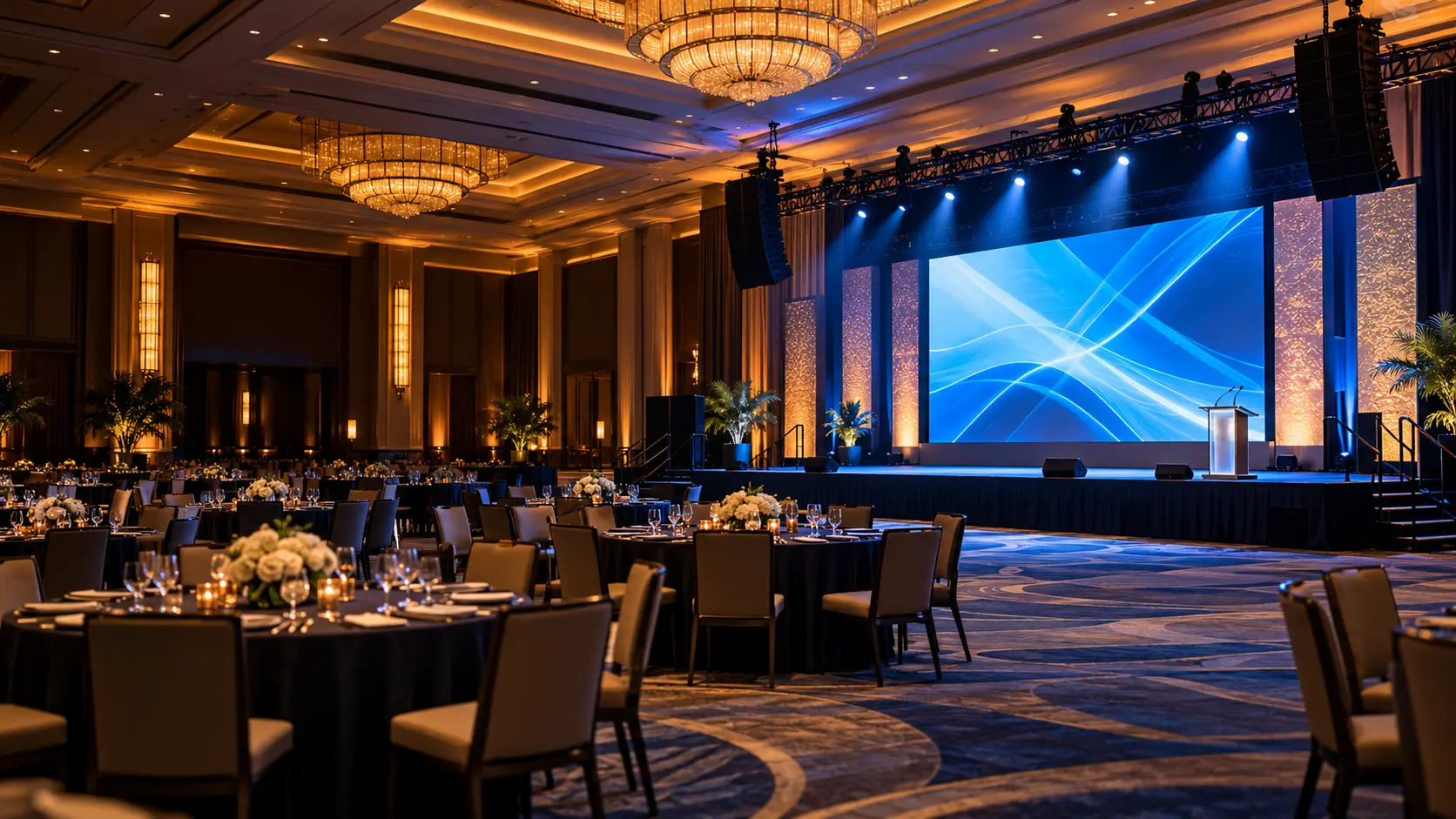
Acoustic properties vary significantly between the expansive ballrooms and the more intimate meeting suites, which directly dictates where speakers must be placed to ensure clear audio without echo. During a walk-through, the team can locate rigging points to determine if heavy LED walls or complex lighting rigs are feasible in the desired layout. Failing to verify these points early can lead to expensive last-minute redesigns if the ceiling cannot support the intended weight. Power access points are another critical factor, as their location dictates where equipment racks sit and how cabling must be routed to avoid trip hazards.
Identifying sightline obstructions is a primary goal of the walk-through. For example, a planner might discover a specific ceiling height limitation in the Grand Ballroom that requires shrinking a projection screen to prevent the bottom from being blocked by the audience’s heads. These discoveries allow for precise adjustments to the equipment list long before the truck arrives at the loading dock.
Power Distribution: Mapping the distance from wall outlets to the stage to calculate cable lengths.
Signal Pathways: Checking for physical barriers that might interfere with wireless microphones or internet routers.
Ambient Light: Observing how window placements or house lighting might wash out high-brightness displays.
Load-in Logistics: Measuring door widths and elevator capacities to ensure large gear cases can actually reach the room.
Collaborating with venue staff during this visit helps clarify how the house sound system might integrate with external rentals. These conversations often reveal “dead zones” in a room where the Wi-Fi signal is weak or where the HVAC system creates enough noise to require extra microphone gain. Relying on a physical inspection ensures that every piece of hardware has a specific, pre-vetted purpose within the unique environment of the property.
Avoiding technical friction requires a firm grasp of the venue’s operational boundaries before a single cable is plugged in. Successful production hinges on recognizing that venue-specific protocols and infrastructure limits dictate what is possible on the event floor. Adhering to MGM Grand Detroit’s unique technical and logistical rules is paramount for seamless AV operations and avoiding costly delays.
To coordinate a technical site visit and review the room’s AV requirements, call On Site Specialists at (248) 585-4677 or email sales@ossdetroit.com.
Infrastructure and Connectivity Constraints
Presentations that rely heavily on cloud-based software or live streaming must account for bandwidth limitations. Large-scale venues often have tiered internet access, and failing to secure a dedicated high-speed line can lead to buffering during critical keynote moments. Furthermore, integrating external gear with the in-house audio system requires specific interface hardware to ensure clean signal transfer without ground hum or distortion. These technical checkpoints are not mere suggestions; they are the framework that supports every digital interaction during the conference.
Labor Regulations and Power Access
Logistical flow is often governed by union labor requirements, particularly for overhead rigging and complex electrical installations. A common hurdle involves high-voltage power drops; these are typically restricted to authorized electricians, meaning a production team cannot simply “plug in” heavy lighting rigs or LED walls at will. This necessity requires planners to coordinate with the facility’s dock access rules and strict load-in schedules to ensure specialists are on-site exactly when the hardware arrives.
Missing a scheduled power tie-in window can ripple through the entire setup day, forcing expensive adjustments to the labor timeline. These power and labor realities directly dictate which hardware configurations remain viable for the space.
Choosing a budget-friendly projector might seem logical for a standard business meeting, but relying on low-lumen hardware in a venue with massive scale often results in washed-out visuals that lose the audience’s attention. AV Rental MGM Grand Detroit success requires matching specific gear to the room’s volume and light levels rather than sticking to a generic equipment list. Selecting high-resolution LED video walls instead of traditional projection for a product launch in a brightly lit atrium ensures content remains vivid despite heavy ambient light. This precision in hardware selection prevents the common mistake of overspending on unnecessary features while failing to meet basic visibility needs.
Optimizing Visual and Audio Impact
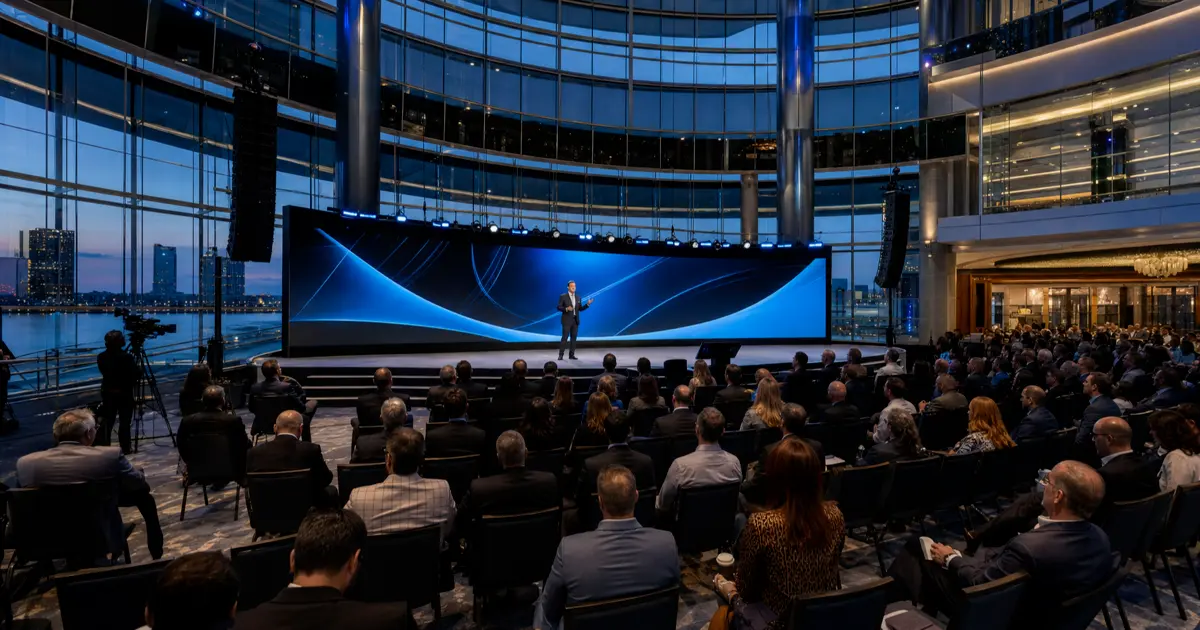
The choice between different display technologies and audio configurations determines whether a presentation feels professional or amateur. While projection works for dark breakout rooms, LED walls are the superior choice for high-impact visual clarity in environments where you cannot control every light source. Audio requires similar scrutiny; for example, line array speakers are necessary in large ballrooms to provide even sound distribution so the back row hears as clearly as the front.
Lavalier microphones allow for hands-free movement during dynamic keynote speeches.
Handheld microphones remain the standard for audience Q&A sessions to ensure every question is captured.
Podium microphones offer a formal, stable audio source for scripted executive addresses.
Projector lumens must be calculated based on total screen size to maintain sharp image contrast.
Strategic Hardware Alignment
I would always prioritize audio clarity over decorative lighting if the budget is tight, as a beautiful room cannot save a speech that no one can understand. It is a mistake to assume one microphone type fits every speaker; a nervous presenter often benefits from a podium mount, while a high-energy storyteller needs a wireless lapel kit. These technical choices eventually dictate the complexity of the setup labor and the final cost of the production package.
A mismatch here usually leads to frantic, last-minute hardware swaps that disrupt the rehearsal schedule. Small adjustments in microphone types-like choosing a tight-pattern cardioid mic to reduce background noise-can solve acoustic problems that even the most expensive speakers cannot fix.
For help selecting audio, video, and lighting equipment for your event, call On Site Specialists at (248) 585-4677 or email sales@ossdetroit.com.
Tip 5: Prioritize Clear Communication with Your AV Rental Team
A flawless technical rehearsal often looks like magic to the casual observer, but it actually stems from a rigorous exchange of information between the planner and the technicians. Clear communication acts as the bridge that turns a list of hardware into a high-performance environment. Providing a comprehensive run-of-show document several weeks before the event-complete with speaker names, exact presentation timings, and specific audio cues-removes the guesswork that leads to on-stage mistakes. I have found that teams who share their scripts early are far less likely to experience missed transitions or awkward silences during the live program.
Establish Technical Specifications and Expectations
The success of any visual display depends on the compatibility between your files and the rental hardware. Sharing specific content requirements, such as the exact aspect ratio and resolution of your slide decks or videos, ensures that images appear crisp and properly framed on the venue’s displays. When these details are omitted, technicians often have to stretch or crop files at the last minute, which degrades the professional look of the presentation. It is also a mistake to assume the crew knows your goals; defining event objectives early helps the team prioritize which technical elements need the most attention during the setup window.
Streamline On-Site Problem Solving
Establishing a single point of contact (POC) for all technical issues creates a direct line for fast decision-making when time is tight. Rather than having multiple people give conflicting instructions to the crew, one designated person should filter requests to keep the production on track. This hierarchy is especially useful when executing contingency plans, as it ensures everyone knows exactly who authorizes a backup solution if a file fails to load. I always recommend scheduling a post-event debrief to review what worked and where the workflow could be tightened, as this feedback loop is the most effective way to refine your strategy for future gatherings.
Detailed event schedules are the primary tool used to prevent setup conflicts between the AV crew and other vendors like decorators or caterers. Sharing these timelines early allows the team to map out their workflow without tripping over floral arrangements or banquet tables. A well-coordinated schedule ensures that the technical infrastructure is fully tested and silent before the first guest enters the room.
Strict loading dock schedules at large venues often dictate the rhythm of an entire production day before the first speaker even arrives. Logistical coordination is the backbone of a functional event, ensuring that equipment moves from the truck to the stage without violating the facility’s rigid operational windows. Comprehensive planning for the physical movement of gear and the presence of dedicated on-site support prevents technical failures from becoming public disruptions.
Navigating Physical Constraints and Timelines
The movement of heavy production gear requires navigating specific freight elevator dimensions and weight capacities that can vary significantly across different floors of the hotel. If a rental company attempts to bring in a large-scale set piece or a wide-format screen that exceeds these limits, the resulting delay can derail the entire setup timeline. Reliable vendors coordinate these arrivals with the venue’s dock master to ensure that load-in and load-out times do not conflict with other high-traffic events happening simultaneously. Proper cable management and power distribution planning also happen during this phase, as securing cords and balancing electrical loads are essential safety requirements that prevent tripping hazards or tripped breakers during a live presentation.
The Role of On-Site Technical Support
Having a technician present for the full duration of a multi-day conference is a necessity rather than a luxury for high-stakes environments. This specialist manages the live event monitoring, handling everything from adjusting audio levels as the room fills with people to facilitating seamless presentation transitions between different speakers’ laptops. When a file refuses to play or a wireless frequency experiences interference, an immediate hands-on response prevents the momentum of the meeting from stalling. This level of emergency protocol readiness ensures that the technical infrastructure remains invisible to the audience, allowing the focus to stay on the content being delivered.
Technical Rehearsals: Running through every slide and video transition to verify software compatibility.
Microphone Rotation: Swapping and sanitizing hardware between speakers during short session breaks.
Power Redundancy: Ensuring backup power sources are mapped for critical recording or streaming equipment.
Strike Coordination: Managing the efficient breakdown and removal of gear to avoid venue overtime fees.
I have observed that many planners overlook the labor costs associated with these logistical realities, assuming the equipment “just works” once it is plugged in. In reality, the expertise required to monitor signal stability and manage the breakdown procedures represents a significant portion of the service value. These labor hours and specialized support roles must be accounted for early to avoid the financial friction of unexpected overtime or last-minute staffing additions.
To discuss setup, rehearsals, and on-site technical staffing, call On Site Specialists at (248) 585-4677 or email sales@ossdetroit.com.
Deciding how much to spend on production before seeing a quote often leads to painful cuts later in the planning cycle. A realistic AV Rental MGM Grand Detroit budget typically accounts for 10-20% of the total event expenditure, covering everything from basic hardware to the specialized labor required for setup. Smart financial planning means viewing these costs as an integrated part of the guest experience rather than a separate hardware fee. A detailed and flexible AV budget, including contingency funds, prevents financial surprises and ensures all critical needs are met for events at MGM Grand Detroit.
Planners should expect that the sticker price of a projector or speaker is only one part of the total invoice. Hidden fees frequently include delivery charges, insurance, and labor overtime, which can accumulate quickly if the run-of-show shifts at the last minute. To protect against these variables, maintaining a contingency fund of 10-15% is recommended for unforeseen expenses. This buffer allows for quick adjustments, such as adding an extra confidence monitor or extending a technician’s hours, without needing emergency approval from stakeholders.
Maximizing Value Through Itemized Planning
Breaking down the quote into specific categories-equipment, labor, and transportation-allows for a more transparent value vs. cost analysis. Negotiating pricing is often more effective when focusing on package deals from full-service providers like On Site Specialists, as bundled services generally offer significant savings over individual line-item rentals. It is also helpful to identify which elements are “mission-critical” and which are “nice-to-have” early in the process to ensure the core technical needs are never compromised by budget constraints.
One specific financial reality at this venue involves the precise calculation of labor hours. Allocating a specific line item for union labor hours, based on the venue’s requirements, prevents unexpected charges on the final invoice that often surprise those used to smaller spaces. I have noticed that when labor is underestimated by even two hours, the resulting overtime rates can consume the entire remaining contingency fund before the first guest even arrives.
Conclusion
The success of an event at this venue depends on the seamless integration of technology within a complex hospitality environment. Organizers who prioritize early collaboration with technical teams avoid the common pitfalls of last-minute equipment shortages or unexpected power limitations. Technical precision is not an accident; it is the result of aligning the specific physical layout of the ballroom or meeting space with the right hardware and support staff.
Early booking secures the necessary inventory and allows for the creation of a detailed floor plan that accounts for sightlines and acoustics.
Site visits reveal the exact location of power drops and rigging points, preventing expensive delays during the setup phase.
Detailed technical riders ensure that the equipment matches the room size, preventing audio feedback or dim visuals in large spaces.
Active on-site support provides a safety net for real-time troubleshooting, allowing the host to focus on the presentation rather than the cables.
Organizers can begin by reviewing the event schedule and identifying every moment that requires audio, video, or lighting support. The next step involves contacting a specialist to discuss the specific AV Rental MGM Grand Detroit requirements and requesting a line-item quote that includes delivery and labor costs. Planning for technical needs with the same rigor as catering or guest lists ensures a professional result.
Ready to plan your event at MGM Grand Detroit? Call On Site Specialists at (248) 585-4677 or email sales@ossdetroit.com to request an itemized AV rental quote.
Professional event execution requires a disciplined approach to every technical detail.
Frequently Asked Questions
What is the typical lead time for booking AV rental at MGM Grand Detroit?
Booking AV rental at MGM Grand Detroit typically requires a lead time of at least 2-3 months for major events. For smaller, simpler needs, 4-6 weeks might suffice, but earlier booking always secures better equipment availability and allows for more thorough planning and coordination with the venue.
Can I use my own AV equipment at MGM Grand Detroit?
While MGM Grand Detroit typically has preferred or exclusive AV partners, external AV companies like On Site Specialists can often operate within the venue. It is crucial to clarify all policies and coordinate directly with the venue and your chosen AV provider early in the planning process to ensure compliance and smooth integration.
What unique challenges does MGM Grand Detroit present for AV setup?
MGM Grand Detroit presents unique challenges for AV setup including complex load-in/load-out logistics, strict union regulations, and potential bandwidth limitations for large-scale digital events. Understanding the venue’s power distribution and rigging points is also critical for safe and effective deployment.
How important is a site visit before finalizing AV plans?
A site visit is critically important before finalizing AV plans at MGM Grand Detroit. It allows the AV team to assess the space’s acoustics, lighting, power access, rigging points, and potential sightline issues. This firsthand evaluation ensures the proposed AV solution is perfectly tailored to the specific event space.