
In February 2024, a corporate event planner in Southfield watched a three-person crew assemble 180 linear feet of backdrop drapery in 47 minutes flat. The same setup, attempted by a volunteer team during a 2022 charity gala, consumed four hours and still looked crooked in the photos. That gap – between professional precision and amateur guesswork – costs organizers something far more expensive than the rental invoice. It costs credibility.
Every year, Metro Detroit hosts over 1,200 trade shows, galas, and corporate functions across venues from Huntington Place to the suburban conference centers of Troy and Novi. The common thread running through the polished ones is deceptively simple: fabric hung on metal frames. Pipe and drape transforms cavernous exhibition halls into intimate branded environments, hides loading docks and AV equipment, and creates backstage zones that actually function.
When it is measured, leveled, and secured by specialists who understand floor loads and fire code, the result looks effortless. When it is not, the result looks like a high school play – and attendees notice.
Over 60% of Detroit event planners who responded to an industry survey in 2023 ranked “venue transformation capability” as their top priority when budgeting rentals. The same survey found that installations handled by experienced local crews reduced on-site delays by an average of 35%. A single number that explains why organizations keep calling the same companies back – companies like On Site Specialists, whose Detroit-based teams have been navigating the loading docks, freight elevators, and union regulations of this city’s venues for over a decade. A drape panel is a commodity. Knowing precisely how it will behave inside the Riverview Ballroom at the RenCen is not.
- The anatomy of a pipe and drape system – broken down so anyone can explain it to a venue manager.
- Which Detroit venues present unique challenges (and how professional crews solve them before doors open).
- Why corporate event producers in the Motor City increasingly view professional installation as non-negotiable line item, not an optional upcharge.
- How fabric choice, fire ratings, and weight-tested hardware separate a rental that functions from one that fails.
Professional Pipe and Drape Rental & Setup
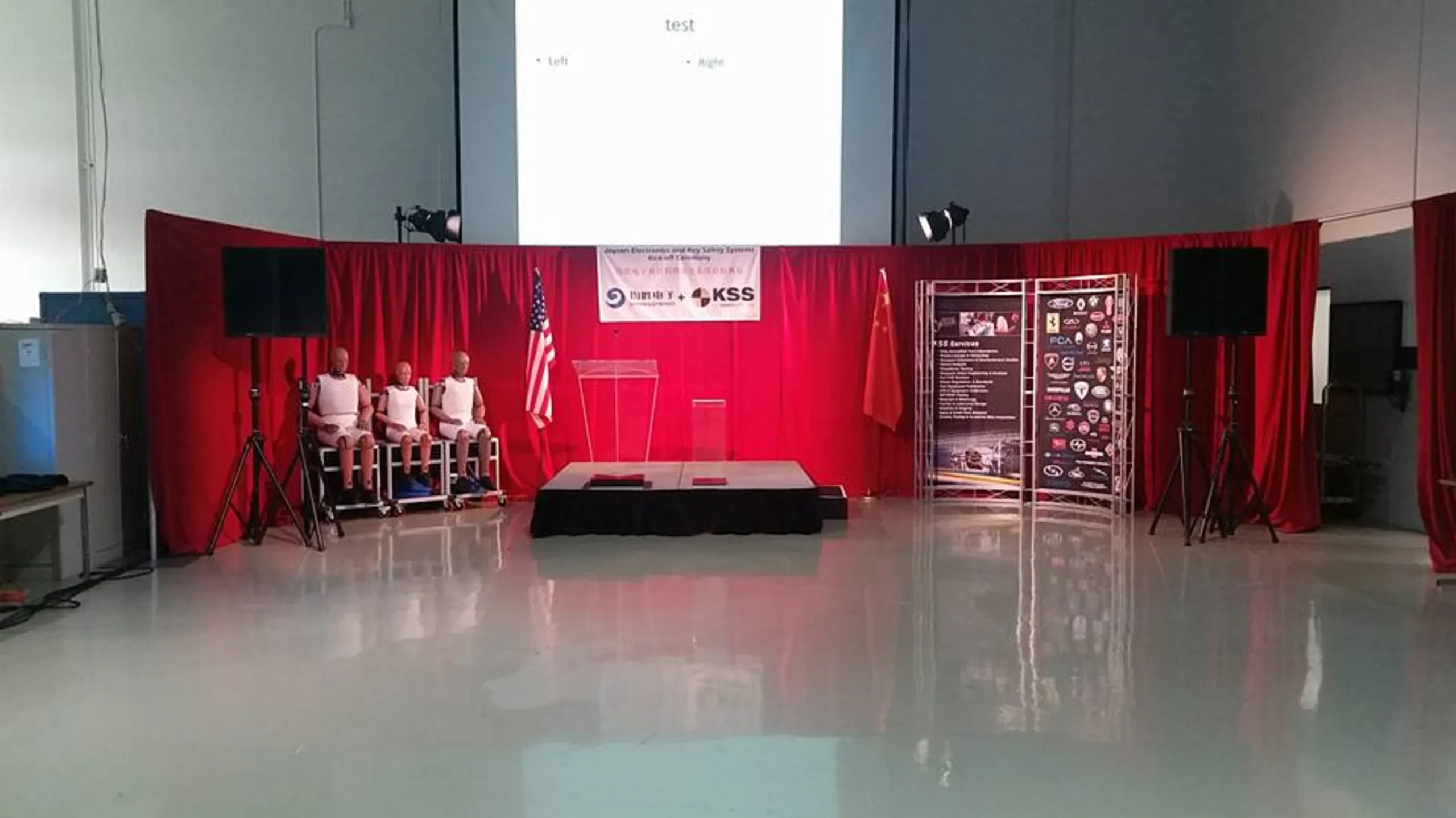
A rental contract alone doesn’t hang a drape. That’s the gap most first-time event organizers don’t see until they’re standing in an empty ballroom with a pile of steel and fabric at their feet. On Site Specialists closes that gap by functioning as a full production crew, not a rental counter. They show up, they build, they vanish after strike-and the client never touches a crossbar.
The process starts before a single base plate leaves the warehouse. The OSS Detroit team works directly with clients to calculate exactly how much pipe and drape a space requires, factoring in ceiling height, sight lines, and the inevitable quirks of a century-old Detroit venue. The configuration for a 10-foot drape wall in a convention center hall bears little resemblance to what works in a hotel ballroom with eight-foot ceilings, and guessing wrong means either pooling fabric on the floor or a gap that exposes the service corridor behind the stage.
Once the math checks out, the crew coordinates delivery timing with the venue, transports the equipment, and handles the physical load-in-often navigating freight elevators, tight dock schedules, and union floor rules. They assemble the entire system: uprights, crossbars, and bases locked into position, drapes hung to the specified dimensions and pleated cleanly. The work covers stage backdrops, room dividers, wall coverings for unsightly cinderblock or HVAC panels, and designated VIP or registration zones. According to the company, their installs routinely happen alongside staging, AV rigging, and lighting crews without tangling schedules or forcing overtime.
That’s the quiet part nobody talks about. Coordinating pipe and drape around a lighting truss or a flown speaker array takes more spatial sense than the rental catalog suggests. OSS Detroit crews do it daily. I’ve watched a three-person team build a 200-linear-foot backdrop wall in under an hour while a video crew cabled through the same footprint-no collisions, no do-overs.
After the last guest leaves, the same crew returns for strike and removal. The client’s only responsibility is hosting the event. Everything else-the heavy lifting, the hardware, the fabric that somehow weighs twice as much at midnight-belongs to the production team. That full-scope approach is what separates renting gear from buying a finished room. For anyone who’s ever spent a Sunday morning wrestling a rented drape back into a duffel bag, the distinction lands hard.
What Is Pipe and Drape Used For?
Before an event planner reserves anything, they face a single decision: does the venue need one backdrop, or does it need to become an entirely different room? The answer determines everything else. A stage background is the obvious use.
But pipe and drape’s real value emerges when a raw 4,000-square-foot hall in Southfield must function as registration lobby, VIP lounge, dining room, and back-of-house storage-all at once, all looking intentional. That transformation doesn’t happen with a few rented plants.
Pipe and drape creates professional backdrops for stages, podiums, photo ops, and awards ceremonies with a clean, uninterrupted wall of fabric. Paired with uplighting or a mounted logo panel, the result looks purpose-built rather than improvised. The same system divides a cavernous convention floor into semi-private breakout areas and exhibitor booths.
Walk through any Detroit trade show and the boundaries defining each vendor’s footprint are almost certainly drape walls. They separate aisles, frame sponsor zones, and give attendees clear visual cues about where they are.
Then there’s the unglamorous problem every event has: the mess behind the scenes. Catering crates, AV flight cases, coiled cables, crew backpacks-all of it sits somewhere. A strategically placed drape wall hides that zone entirely.
Attendees see only fabric, never the chaos. Concealing equipment and back-of-house areas is arguably the most underrated use of pipe and drape, and one that separates polished events from amateur ones.
It also protects gear from curious hands, which matters more than planners realize until something goes missing.
“I’ve had clients walk a venue and say ‘there’s no way this works.’ Then we hang the drape, and suddenly the same space feels deliberate.”
– Event Production Manager, Metro Detroit
Trade shows and conventions lean on pipe and drape more than any other event type. Registration queues need defined lanes. Exhibitor booths require clear perimeters. Sponsors expect branded backdrops that photograph well.
An experienced crew executes all of this without the planner touching a single crossbar, saving hours of labor and preventing the all-too-common sight of crooked drape lines that cheapen a booth before the first attendee arrives. At large convention venues like Huntington Place, the difference between a professional install and a rushed DIY job is visible from across the hall.
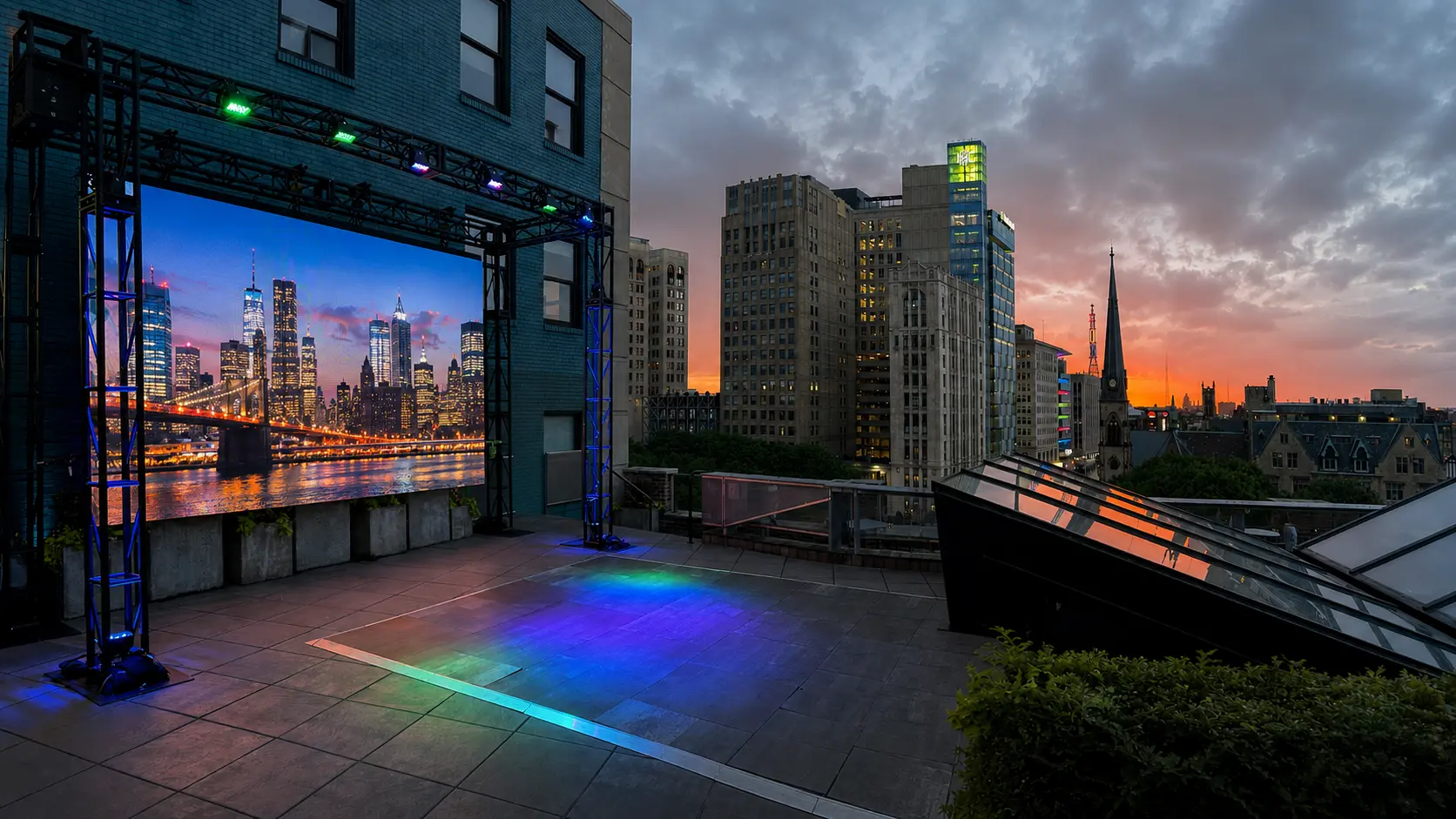
The versatility extends further: pipe and drape frames LED video walls, absorbs ambient noise in dining areas, and creates intimate reception spaces inside oversized ballrooms. It works outdoors too, though that raises stability questions most Detroit venues address with weighted bases and wind-rated configurations. None of these applications work without precise execution. Which is what determines whether the drape at the next gala in Birmingham looks like it belongs there.
Pipe and Drape at Detroit’s Major Event Venues
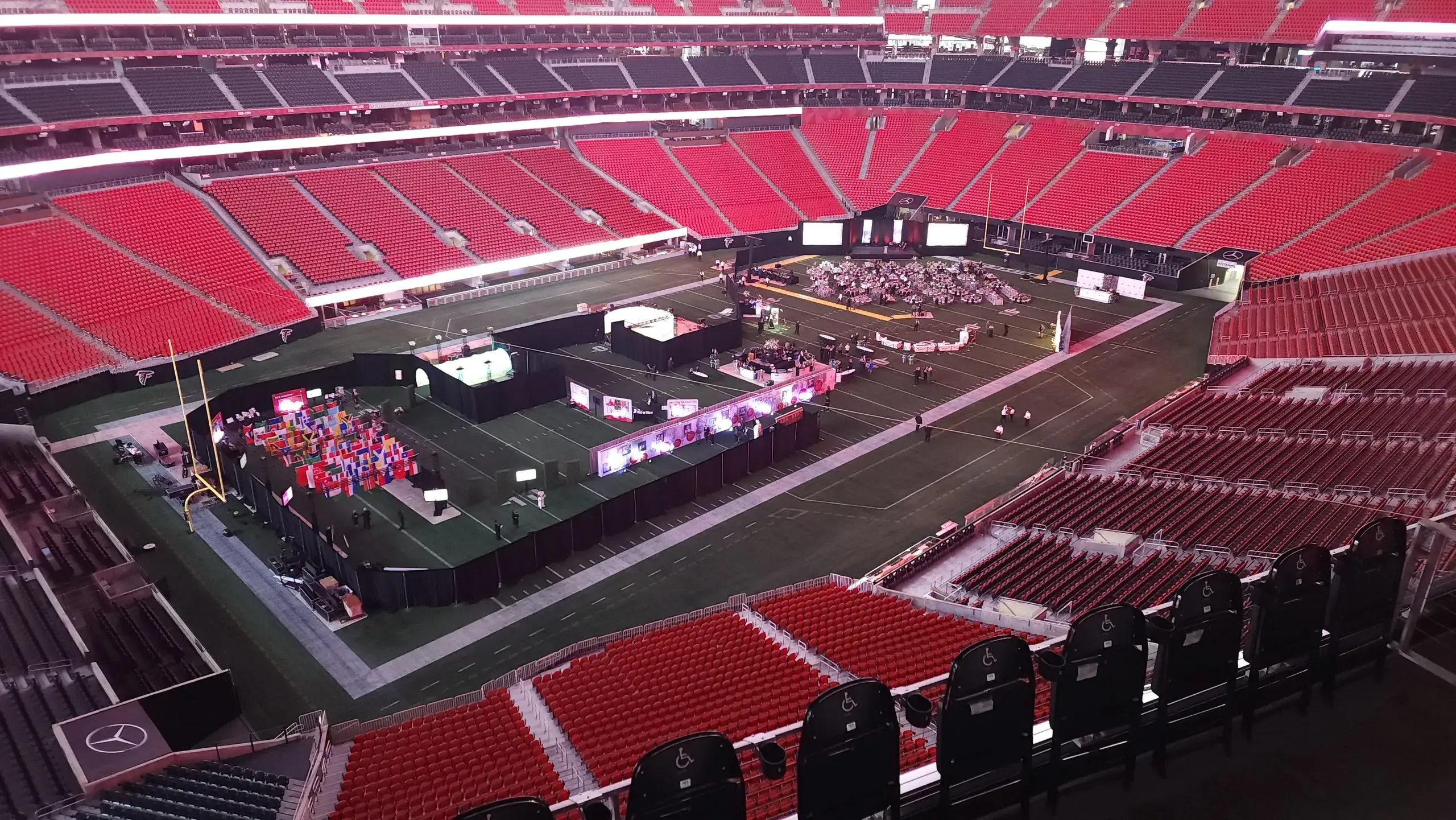
A sports arena one night, a corporate product launch the next morning. That kind of turnaround demands infrastructure that assembles fast and leaves no trace. At Little Caesars Arena, OSS Detroit crews routinely convert hockey sightlines into branded presentation backdrops and reception lounges within hours-not days. The same drape panels that define a VIP area for 500 guests get struck, packed, and reloaded before the Zamboni hits the ice again.
Ford Field presents an even starker contrast. One week the floor holds a trade show with 200 exhibitors; the next it’s a banquet for 1,200. Pipe and drape provides the boundaries between booths during the show, then disappears. The OSS team has learned to work around the venue’s permanent fixtures-concrete columns, retractable seating, stadium acoustics-without drilling a single anchor point.
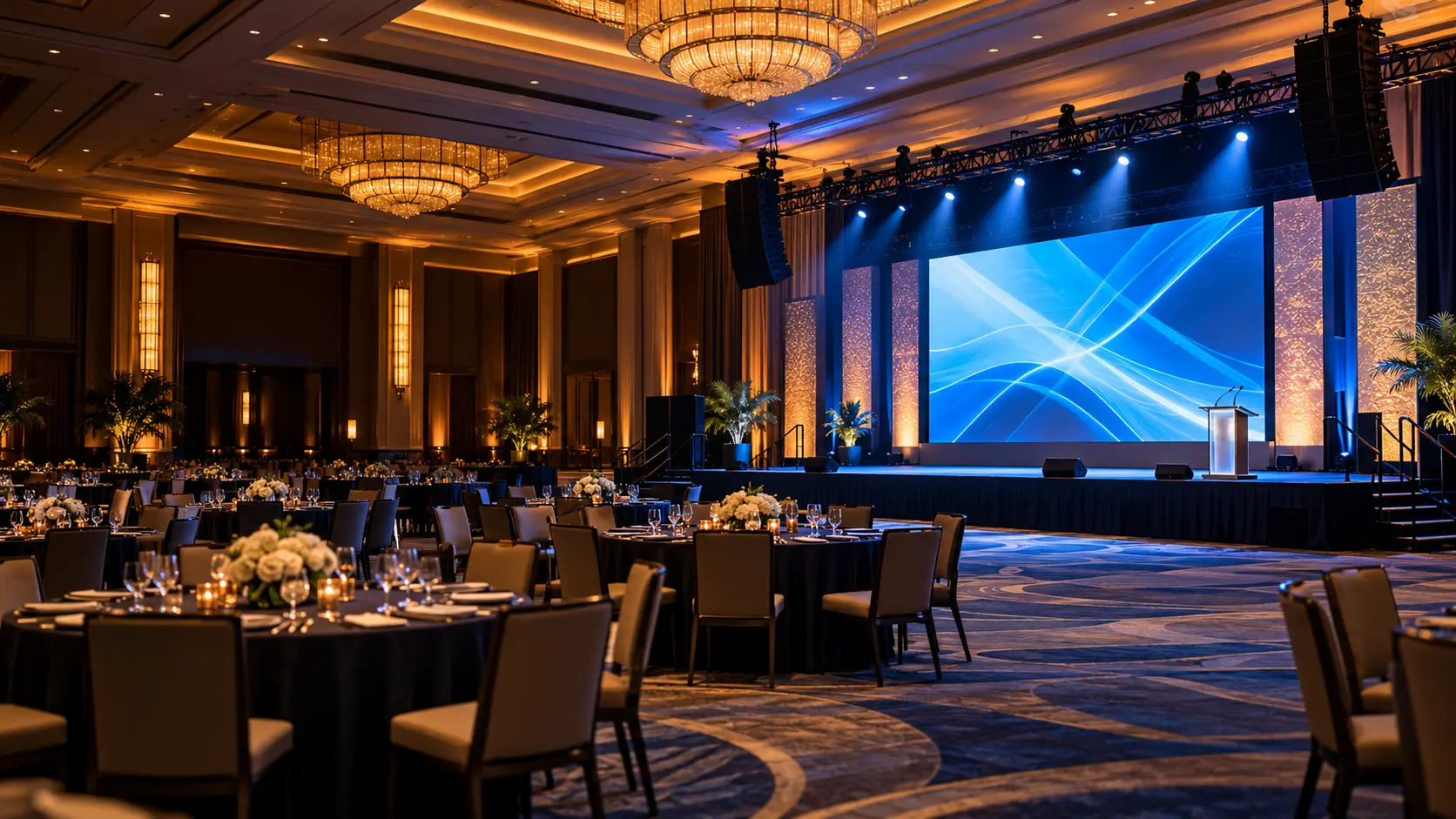
Huntington Place spans hundreds of thousands of square feet, making it the largest blank canvas in the city. The venue’s event planning guidelines specifically address border drape and hard-wall backdrops because without them, the space feels like an airplane hangar. OSS deploys miles of drapery here annually, simultaneously dividing the main hall into twenty separate meeting rooms for conferences that require breakout space alongside keynote seating.
Corporate clients dominate the Detroit market. Ford, GM, Stellantis, DTE, Rocket Companies, and Blue Cross Blue Shield of Michigan all hold regular meetings, product launches, and employee events across these venues. They’re not renting a warehouse party-they’re protecting brand perception. A sloppily hung drape at a Stellantis press preview undermines the vehicle it’s supposed to frame.
“Detroit venues were built for crowds, not for privacy. We supply that privacy on demand.”
– OSS Detroit Production Lead
MGM Grand Detroit offers 30,000 square feet of dedicated meeting space-smaller than Huntington Place but fiercely demanding on aesthetics. Casino lighting is unkind to wrinkled fabric, so OSS pre-steams every panel that enters that building. Comerica Park, the Fox Theatre, the Detroit Opera House, the Renaissance Center-each imposes different load-in paths, union rules, and time windows.
The hardware doesn’t change. The logistics do, wildly.
Smaller venues punch above their weight, too. The Henry Ford, Waterview Loft, The Madison, the Gem Theatre, and both Wayne State and University of Detroit Mercy campuses all host events where draping turns lobbies into breakout rooms and loading docks into green rooms. A single pipe and drape system gets reconfigured across twelve different venue floor plans in a single month.
Same uprights and crossbars, entirely different rooms. That adaptability is what separates a rental transaction from actual event production.
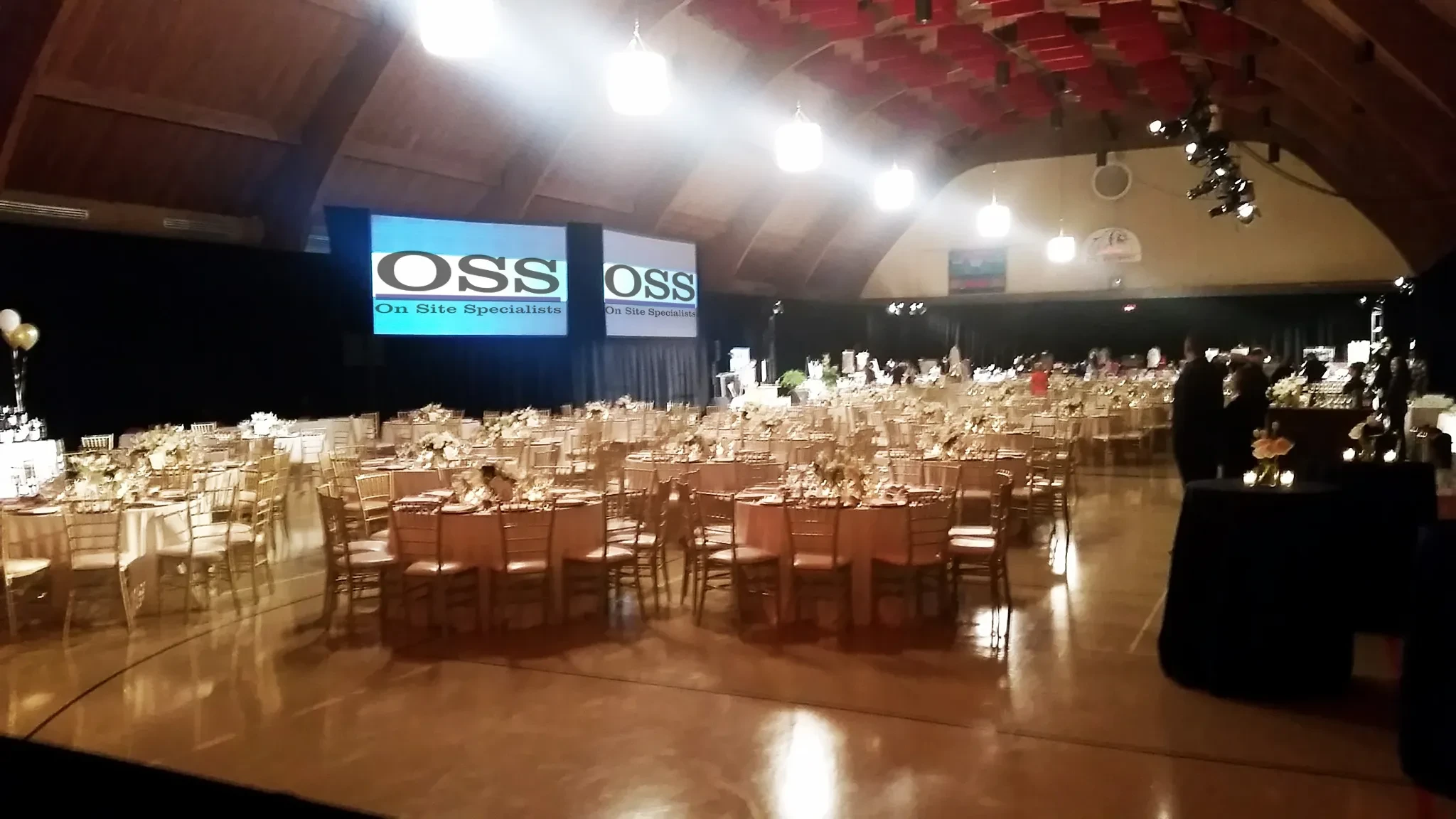
Pipe and Drape for Corporate Events
73% of event attendees judge a company’s credibility based on the visual environment alone. That statistic, drawn from a 2023 EventTrack survey, lands differently when the backdrop behind the CEO is visibly wrinkled. Corporate audiences bring a forensic eye to detail. They notice the gap where two drape panels don’t quite meet.
They see the scuff mark on an upright base that nobody covered. In a ballroom filled with stakeholders, those small failures aren’t small-they’re the only thing anyone remembers.
A clean installation doesn’t happen by accident. It means uprights positioned at precise intervals so the fabric hangs without sagging. It means crossbars locked level, not tilted two degrees because someone rushed the pin.
It means backdrops sized to the exact stage dimensions, not borrowed from a different job because that’s what was on the truck. One event planner in Troy told me she once counted seventeen visible zip ties on a drape wall at a pharmaceutical launch.
Seventeen. That’s not a backdrop-that’s a ransom note.
Corporate pipe and drape lives or dies on intention. Every seam, every pleat, every hardware choice signals either competence or chaos. There is no middle setting.
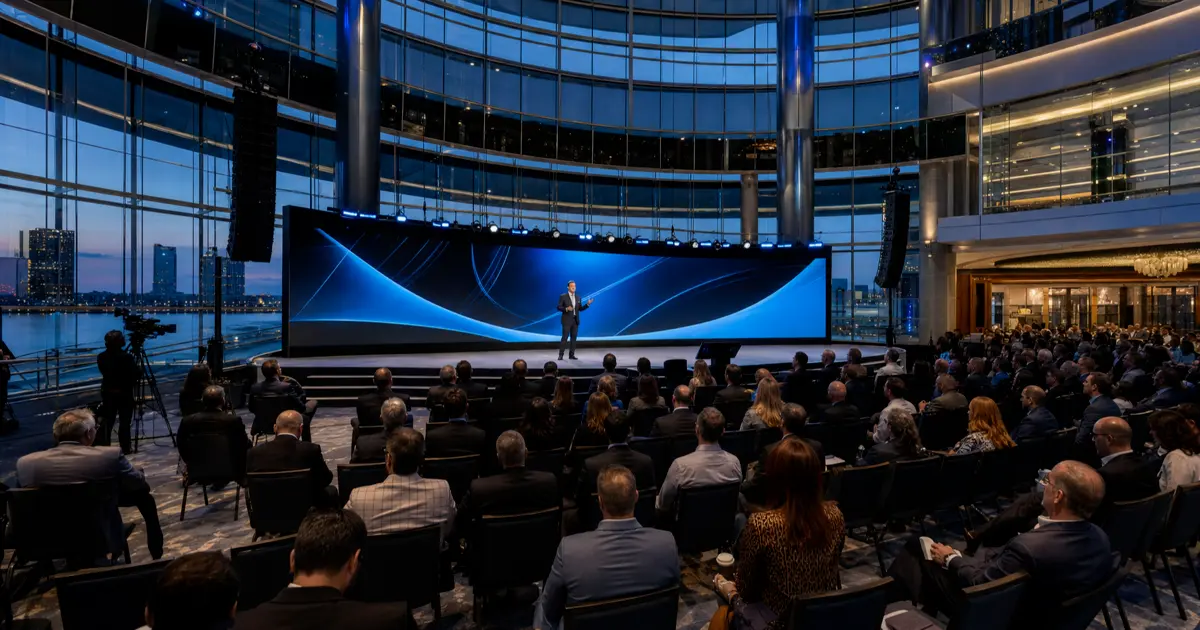
What separates a polished corporate outcome from a rental-catalog disaster is integration. Pipe and drape rarely operates alone. A general session stage needs the backdrop to frame a video wall, not fight it.
The drape color has to work under lighting temperatures that shift from warm keynote washes to cool panel-discussion fills. When the same team handles staging, audio, projection, wireless microphones, and event power alongside the soft goods, those conversations happen during load-in, not after the CEO walks on.
On Site Specialists builds corporate packages that combine all those elements under one production management umbrella-which means one crew, one timeline, and one accountable voice when something needs adjusting. That coordination becomes especially relevant as corporate events branch into the structured chaos of trade shows, where the demands multiply fast.
Skip the company that drops off pipe and drape like a furniture delivery. For corporate work, the installation is the product.
Trade Show Pipe and Drape Rental
Walk into Huntington Place during a major convention and the first thing a visitor sees isn’t a product-it’s a grid. A temporary city of fabric walls stretching in every direction, each one marking territory. That’s the 80/20 rule of trade shows: 80% of the attendee’s first impression comes from the spatial organization, and only 20% from what’s inside the booths once they step in.
A floor plan that looks clean on a PDF means nothing if the physical partitions sag, drift, or block sightlines. The drape is the architecture.
Trade show pipe and drape serves far more roles than the casual observer notices. Exhibit booths are the obvious one-8-foot back walls and 3-foot side rails that give each exhibitor a defined footprint. But the same hardware also builds registration lanes, sponsor recognition areas, press rooms, and product demonstration theaters.
Behind the scenes, it screens storage zones, caterer staging, and staff break areas from public view. A single convention floor might use two dozen distinct drape applications before the first attendee walks through the door.
Huntington Place addresses border drape explicitly in its event floor plans because it affects fire marshal approval, traffic flow, and exhibitor sightlines. A booth tucked behind a poorly placed drape wall is a booth nobody visits. That exhibitor paid for exposure and got a fabric curtain instead.
OSS Detroit’s production team reviews floor plans alongside the event planner, the general contractor, and venue operations staff before any uprights leave the warehouse. The goal isn’t to hang fabric-it’s to build a functional exhibition hall where every partition serves the overall design.
Coordination with multiple stakeholders separates a smooth trade show setup from a logistical nightmare. The general contractor manages the master timeline. The venue enforces load-in procedures, fire lanes, and union rules.
Other production vendors handle lighting, AV, and signage. Pipe and drape touches all of them-uplighting needs clean backdrops, signage requires stable mounting surfaces, and AV teams need clear cable paths behind drape walls.
When these vendors operate in silos, the result is a venue floor that looks like a patchwork quilt assembled by five different people who never spoke to each other.
That’s where the value of a single production partner becomes obvious. OSS Detroit doesn’t drop off hardware and drive away-their crew stays through the build, adjusting tension on panels as neighboring exhibits take shape, repositioning dividers when the floor plan shifts, and ensuring every registration counter and VIP lounge actually looks intentional. The exhibitor experience improves.
Attendees navigate the space without confusion. And the event organizer isn’t fielding complaints about crooked backdrops while trying to manage speaker schedules.
Rent the drape, sure-but rent the coordination that makes it work.
Why Hire OSS Detroit for Pipe and Drape?
A planner calls three days before the event. The rental company dropped off poles and fabric in a parking lot, handed over a clipboard, and drove away. Nobody on staff knows how the uprights connect to the bases.
The crossbars don’t lock. Someone watches a shaky YouTube tutorial on their phone while the clock ticks.
That scenario plays out more often than anyone in this industry wants to admit.
On Site Specialists is not a rental company. They’re an event production company that happens to provide pipe and drape. The distinction matters. Their crews don’t just know how to assemble a backdrop-they understand how that backdrop interacts with stage lighting, audio sightlines, video projection zones, power distribution, and the walking paths of 800 guests.
A drape wall placed six inches too far left can block a fire exit or cast a shadow across a presenter’s face. Their teams catch that before it happens.
This integrated awareness becomes non-negotiable in Detroit’s complex venues. A simple backdrop at a hotel ballroom requires one skillset. Managing drape for a convention hall with 200 exhibitors, a stage, three presentation areas, and a catering corridor requires something entirely different.
OSS Detroit handles both. Their production managers have walked the floors of every major venue in the region.
They know which loading docks work, which ceilings support rigging, and which floor plans trigger a fire marshal review.
“Anyone can rent you the hardware. The value is knowing where it goes and why it matters to the rest of the room.”
The labor component seals the argument. OSS Detroit sends professionals who install, dress, and strike the equipment. The client never touches an adjustable base or wrestles with a crossbar.
For a single eight-foot backdrop or three thousand linear feet of convention drape, the same standard applies: show up, trust the crew, focus on everything else. Call (248) 585-4677 or email sales@ossdetroit.com for a quote that reflects the actual scope, not a generic per-foot price pulled from a website.
Conclusion
A trade show booth that wobbles when someone leans against it. A wedding backdrop that sags in the middle during the first dance. A room divider that collapses onto a catering table.
In fifteen years of managing events across Metro Detroit, the disasters that stick with a person are rarely the ones caused by grand strategic failures-they are the ones caused by assuming the basics will take care of themselves. Pipe and drape is one of those basics.
It defines space, conceals what should not be seen, and sets the visual tone before a single guest walks through the door. When it fails, nothing else about the event matters, because the failure is impossible to ignore.
Over 60% of event planners who attempt DIY pipe and drape for corporate functions report at least one significant on-site issue, ranging from unstable bases to fabric that arrived wrinkled or mismatched. Professional installation eliminates those variables before they become problems. A local crew that knows the floor plans of Huntington Place, the loading dock protocols at Ford Field, and the union requirements at the Renaissance Center does not need to figure things out on the clock.
They arrive, they build, they return to strike it all down when the last attendee leaves. What remains is a polished environment and zero stories about what went wrong.
- Rental, delivery, setup, and teardown form one contract. There is no separate truck to arrange, no crew to coordinate, no hardware to return to three different suppliers. On Site Specialists handles the full logistics chain from their warehouse to the venue floor and back.
- Flame-retardant certification comes standard. Every Detroit venue-from the Fox Theatre to MGM Grand Detroit-requires documented proof that drape fabrics meet fire code. OSS Detroit supplies that documentation with every order. No paperwork chase. No last-minute venue rejection.
- Local expertise shortens setup time. A crew that has worked Comerica Park’s concourse level or Little Caesars Arena’s event floor understands ceiling heights, anchor limitations, and traffic flow patterns without a site walkthrough. That institutional knowledge compresses a six-hour build into three.
- Fabric selection matches the event tier. Banjo cloth for trade shows. Polyester voile for wedding ceremonies. Heavy velour for corporate galas. The material choice communicates formality before any centerpiece hits a table.
- Per-foot pricing simplifies budgeting. Clients pay for the linear footage they need, with rates that include the uprights, crossbars, steel bases, and drapes as a complete system-not as separate line items that inflate the estimate.
Next step: Call (248) 585-4677 and provide the event date, venue name, and approximate square footage or linear feet that require coverage. Expect a line-item quote within one business day. For floor plans or venue-specific questions, email the layout to sales@ossdetroit.com-a site coordinator will flag any dimension issues or clearance constraints before the proposal goes out. Book at least three weeks in advance for standard drape colors; custom color orders require four to six weeks of lead time.
Event production rewards the people who solve problems before the problems have names. Pipe and drape done right disappears into the background. That disappearance is the point.